

iGaming Unlocked: A No-Nonsense Guide to Slots, Poker & Betting
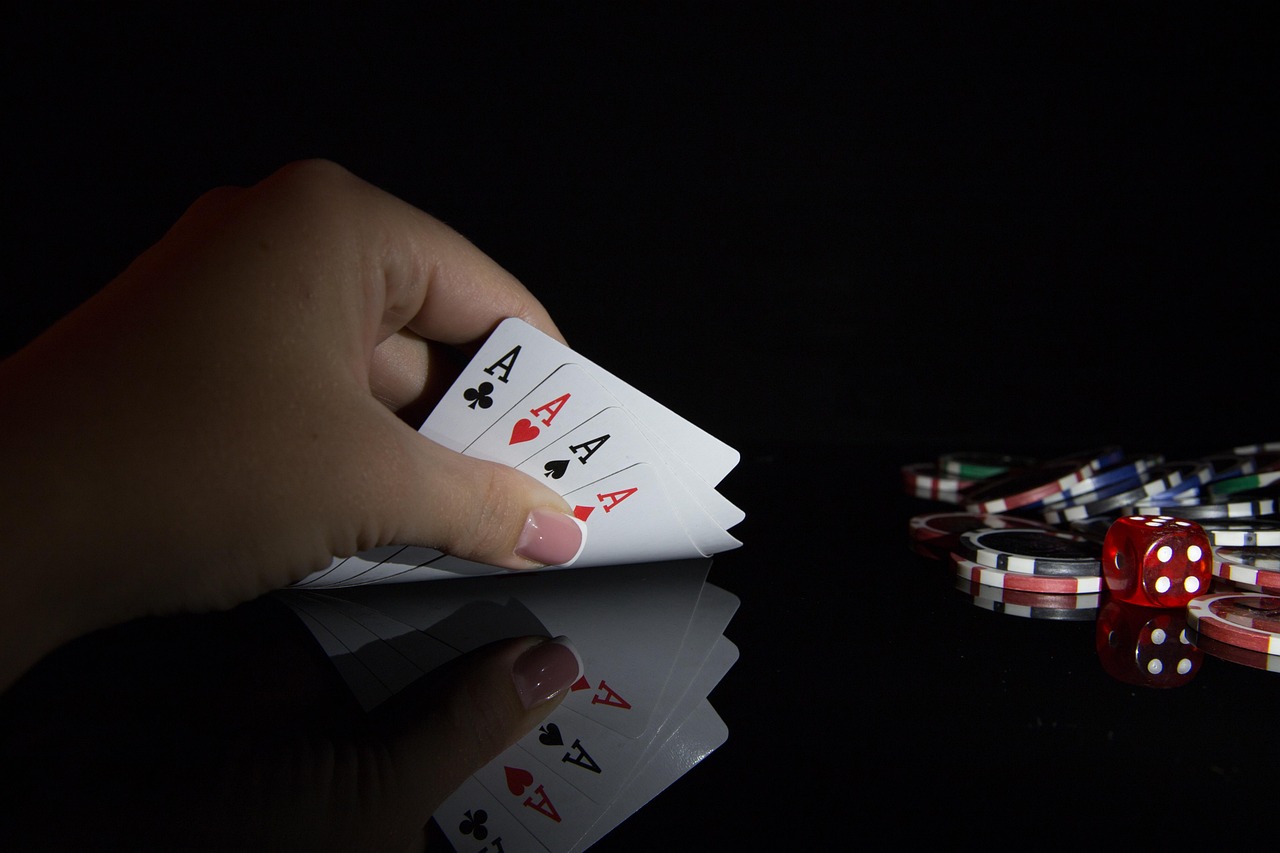
You’ve seen the flashy ads. You’ve heard the million‑dollar jackpot stories. But what actually separates a casual player from someone who knows their way around a slot reels, a poker table, or a sportsbook? It’s not luck — it’s understanding the machinery behind the games. This guide cuts through the hype and gives you the tools to play smarter, whether you’re spinning for fun or grinding for profit.
Slots: More Than Just Pulling a Lever
Modern slots are engineering marvels disguised as entertainment. That three‑reel machine at your local bar? It’s running on a random number generator (RNG) that cycles through thousands of outcomes per second. When you hit ‘spin’, the RNG freezes on a combination — not the reels you see, but the result decided milliseconds before the animation starts. Plenty of people rely on mahjong slot for this kind of information.
So what should you actually look at? RTP (Return to Player) and volatility. RTP is the theoretical percentage of all wagered money that a slot pays back over millions of spins. A 96% RTP means the house edge is 4%. But here’s the catch: not all slots are created equal. Some land at 94%, others at 97.5%. Over time, that difference eats your bankroll.
Volatility tells you how the slot pays. Low volatility slots hit small wins frequently — think a steady drip. High volatility slots are feast or famine: long dry spells followed by massive payouts. If you have a small bankroll, low volatility keeps you in the game. If you’re chasing a jackpot, high volatility is your playground.
- Check the paytable. A 5‑reel slot with 243 ways to win often pays less per line than a 20‑line slot with a higher top prize.
- Look for bonus buy features. Many slots let you purchase free spins directly — but the price is usually 100x your bet, and the RTP can drop by 1–2%.
- Max bet myth. Betting max doesn’t improve your odds unless the jackpot requires it. It just burns your money faster.
Poker: The Only Game Where You Play the Players
Slots are you versus a machine. Poker is you versus other humans — and that changes everything. In Texas Hold’em, you’re not trying to beat the dealer; you’re trying to make better decisions than the six or eight people at your table. The house takes a rake (a small cut of each pot), but the money flows between players.
If you’re new, start with fixed‑limit games. No‑limit is where the sharks swim. Fixed‑limit caps the bet size per round, so you can’t lose your entire stack on one bad call. Once you understand pot odds and position, move up.
Position is everything. Acting last gives you information — you see what everyone else does before you decide. A mediocre hand in late position is often more profitable than a strong hand in early position, because you can steal blinds or fold cheaply.
- Play tight in early positions. Fold anything except premium hands (AA, KK, QQ, AK).
- Steal blinds from late position. If everyone folds to you on the button, a raise often takes the pot.
- Watch your opponents, not your cards. How do they bet? Do they check‑raise with draws? That’s your edge.
Bankroll management is non‑negotiable. Never buy into a cash game with more than 5% of your total poker bankroll. For tournaments, keep it under 2%. That way, a bad beat doesn’t wipe you out.
Sports Betting: Think Like an Investor, Not a Fan
Betting on your favorite team because you love them is a fast track to the poorhouse. Successful bettors treat sports like a stock market: they look for value. Value is when the implied probability of an outcome (based on the odds) is lower than the actual probability you estimate.
Example: The underdog moneyline is +250 (implied probability 28.6%). You’ve analyzed injuries, weather, and recent form, and you think they actually have a 35% chance to win. That’s value. Over 100 bets, you’d profit.
But here’s the brutal truth: sportsbooks build in a margin (the vig). A standard point spread has -110 on both sides, meaning you risk $110 to win $100. That 4.5% edge for the house is why most bettors lose long‑term.
- Line shopping is mandatory. Different books offer different odds. A half‑point difference on a spread can flip a loss into a push or a win.
- Track every bet. Use a spreadsheet. If you don’t know your win rate by sport, market, and bet type, you’re flying blind.
- Ignore parlay fever. Parlays are lottery tickets. The house edge compounds with each leg. A 3‑team parlay at -110 each leg pays 6‑to‑1, but the true odds are 7‑to‑1. That’s a massive edge for the book.
Live betting (in‑play) is another beast. Odds shift second by second. If you’re not fast, you’ll get stale numbers. But for sharp bettors, in‑play markets often have softer lines because books react to the crowd.
The Overlooked Skill: Bankroll Management for All Games
You can be the best poker player or slot strategist in the world, but if you don’t manage your money, you’ll bust. Here’s a simple framework:
- Separate your iGaming bankroll from life money. Never bet rent or grocery cash.
- Set a session stop‑loss. If you lose 20% of your bankroll in one session, walk away.
- Set a win goal too. Up 50%? Cash out a portion. Greed kills more bankrolls than bad beats.
- Adjust stakes to bankroll. In poker, 1–2% per buy‑in. In slots, bet 0.5–1% per spin. In sports, 1–3% per bet.
Discipline is boring. It’s also the only thing that separates long‑term winners from the 95% who donate their money.
Final Thoughts: Play the Long Game
iGaming is not a get‑rich‑quick scheme. It’s a set of skills — understanding RTP, reading poker opponents, finding betting value, and protecting your capital. The thrill is real, but the profit comes from patience and math. Next time you log in, don’t just spin or click. Ask yourself: what’s my edge here? If you can’t answer that, step back. The games will still be there tomorrow. Your bankroll might not be.



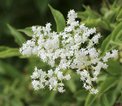
Across Europe, the elder was never just a tree — it was a guardian spirit, a healer, and a warning, all wrapped in one gnarled bark.
Long before it was a summer drink, elderflower cordial was a household medicine — and the recipe has barely changed in centuries.
Elderberry syrup has been a cold-and-flu staple for centuries, and its folklore is as rich as its deep purple colour.
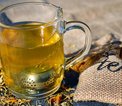
A cup of elderflower tea is more than a drink — in folk tradition, it was a way of clearing the body after winter.
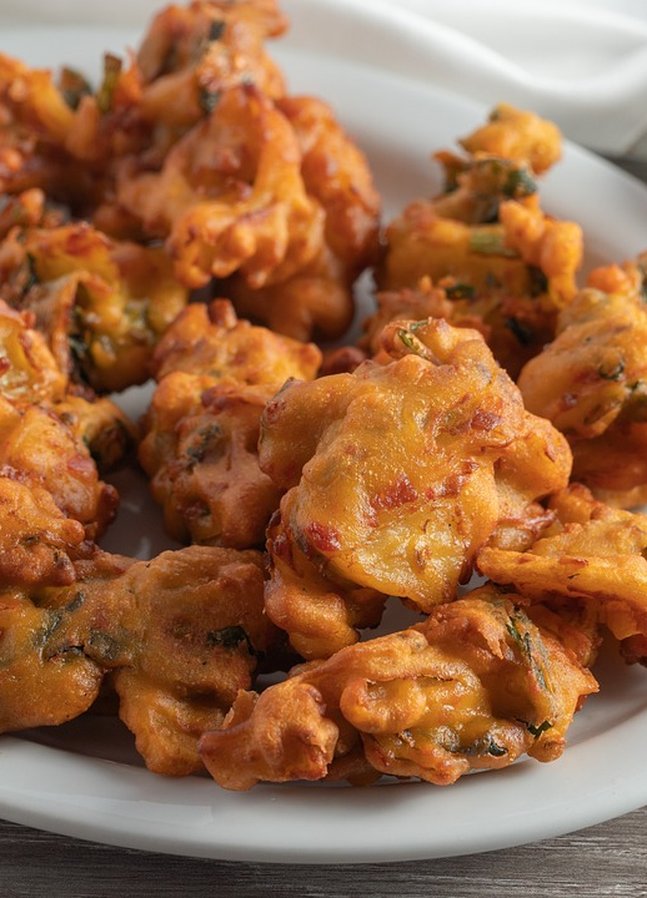
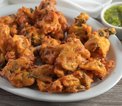
Elderflower fritters, elderberry ketchup, and elder vinegar — the old kitchen traditions that turned a hedgerow tree into a pantry.