



Elderflower Cordial: A Traditional Recipe and Its Folk Roots
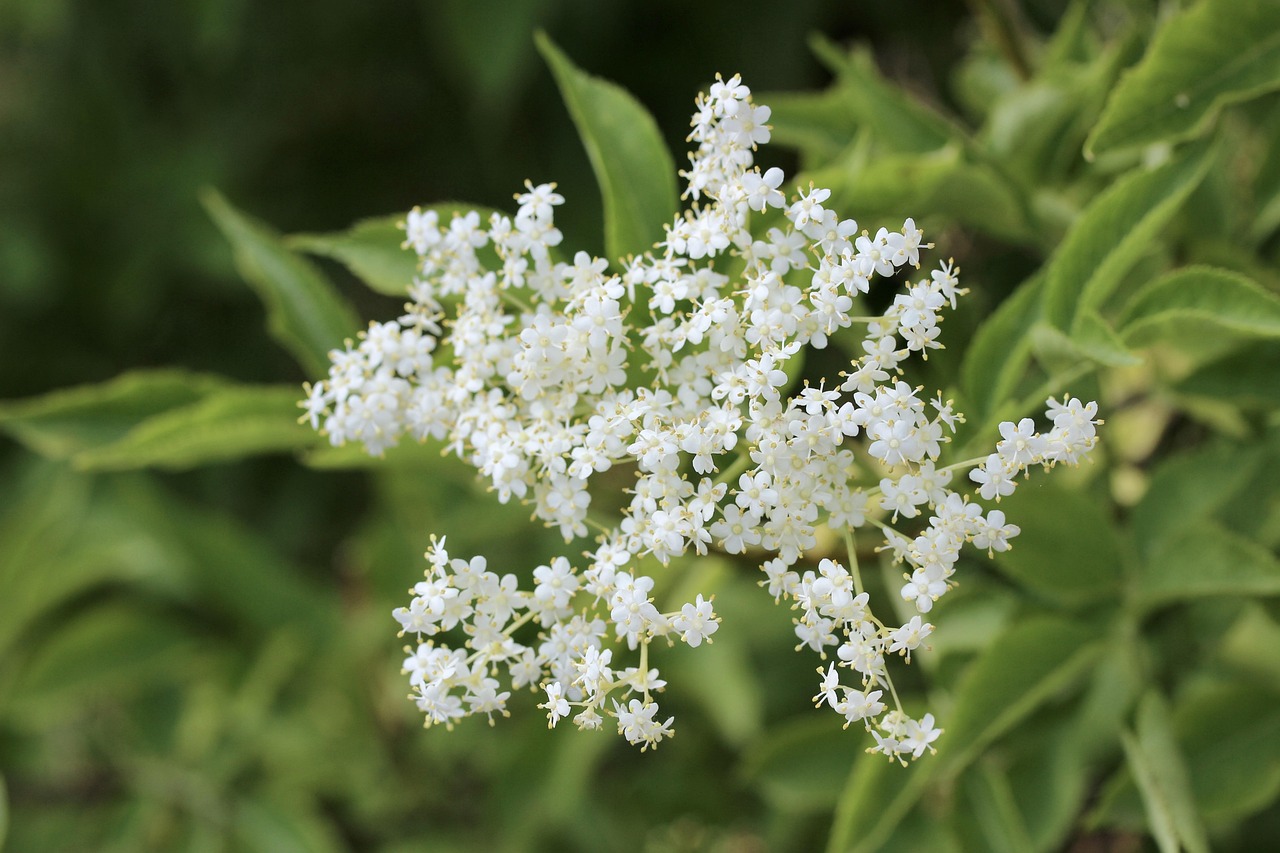
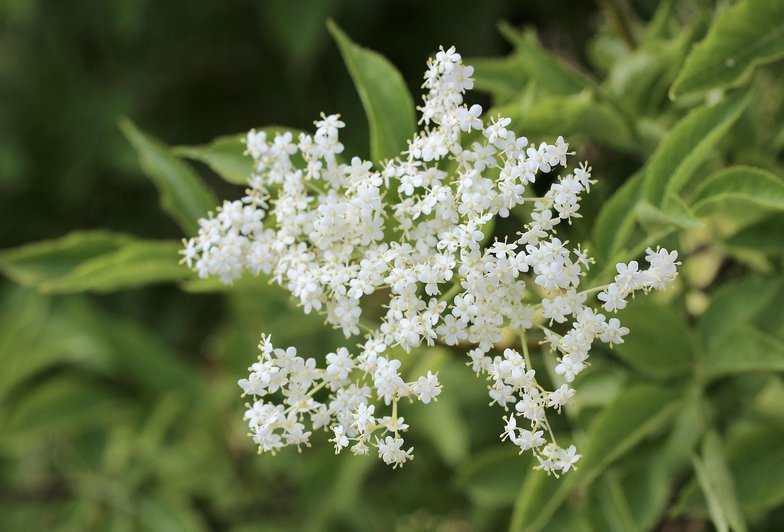
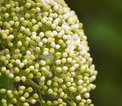
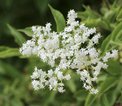
Every June, across hedgerows and cottage gardens, the elder bushes break into flat plates of tiny cream-coloured flowers. For a few short weeks, the air smells faintly of muscat and honey. And in kitchens from Scandinavia to the Balkans, the same ritual begins: gather the heads on a dry morning, shake off the insects, and set them to steep in sugar, water, and lemon.
Elderflower cordial is usually thought of as a refreshing summer drink, but its history is medicinal before it is recreational. In traditional European households, the cordial was kept as a cooling remedy for fevers, a gentle tonic in spring, and a soothing drink for sore throats. The lemon was not only for flavour — it helped draw out the flowers' properties and preserved the syrup. The sugar was both preservative and medicine, at a time when sweet things were understood to strengthen the body.
The Old-Fashioned Method
The traditional recipe is almost stubbornly simple. You need about twenty to thirty fresh elderflower heads, roughly a kilogram of sugar, a litre and a half of water, two or three lemons, and optionally a spoonful of citric acid if you want the cordial to keep longer. Bring the sugar and water to a gentle simmer, stir until dissolved, then pour the hot syrup over the flowers and sliced lemons in a large bowl or bucket. Cover it and leave it for twenty-four to forty-eight hours, stirring now and then.
Strain it through muslin, bottle it, and keep it in the fridge. Dilute with still or sparkling water, add it to gin, or spoon it over fruit. The flavour is delicate — floral, slightly citrusy, with a green note that is hard to describe and impossible to fake. If you have ever tasted a commercial cordial and found it cloying, it is usually because it has been made with elderflower extract rather than the real heads.
Folk Rules Worth Keeping
Traditional gatherers had a few rules that modern foragers would do well to follow. Pick only from bushes that are away from busy roads and sprayed fields. Take flower heads from the sunniest side of the bush, where the scent is strongest. Leave plenty behind for the berries that will feed the birds in autumn. And never pick elder from a tree you have not greeted — a piece of folklore, yes, but also a reminder to slow down and pay attention.
One more thing: elderflowers should be used fresh. Dried elderflower has its place in teas, but for cordial, the fresh heads carry an aroma that fades within hours of picking. That is why the cordial is a seasonal pleasure, made in a narrow window and enjoyed for the rest of the year. It is, in its way, a lesson in patience and timing — the same lesson the old herbalists learned from the tree itself.




Long before it was a summer drink, elderflower cordial was a household medicine — and the recipe has barely changed in centuries.
Elderberry syrup has been a cold-and-flu staple for centuries, and its folklore is as rich as its deep purple colour.
A cup of elderflower tea is more than a drink — in folk tradition, it was a way of clearing the body after winter.
Elderflower fritters, elderberry ketchup, and elder vinegar — the old kitchen traditions that turned a hedgerow tree into a pantry.
Long before pharmacies, rural households relied on the elder tree for everything from cough syrups to salves, earning it a reputation as the village medicine chest.