


Elder in the Kitchen: From Fritters to Vinegar
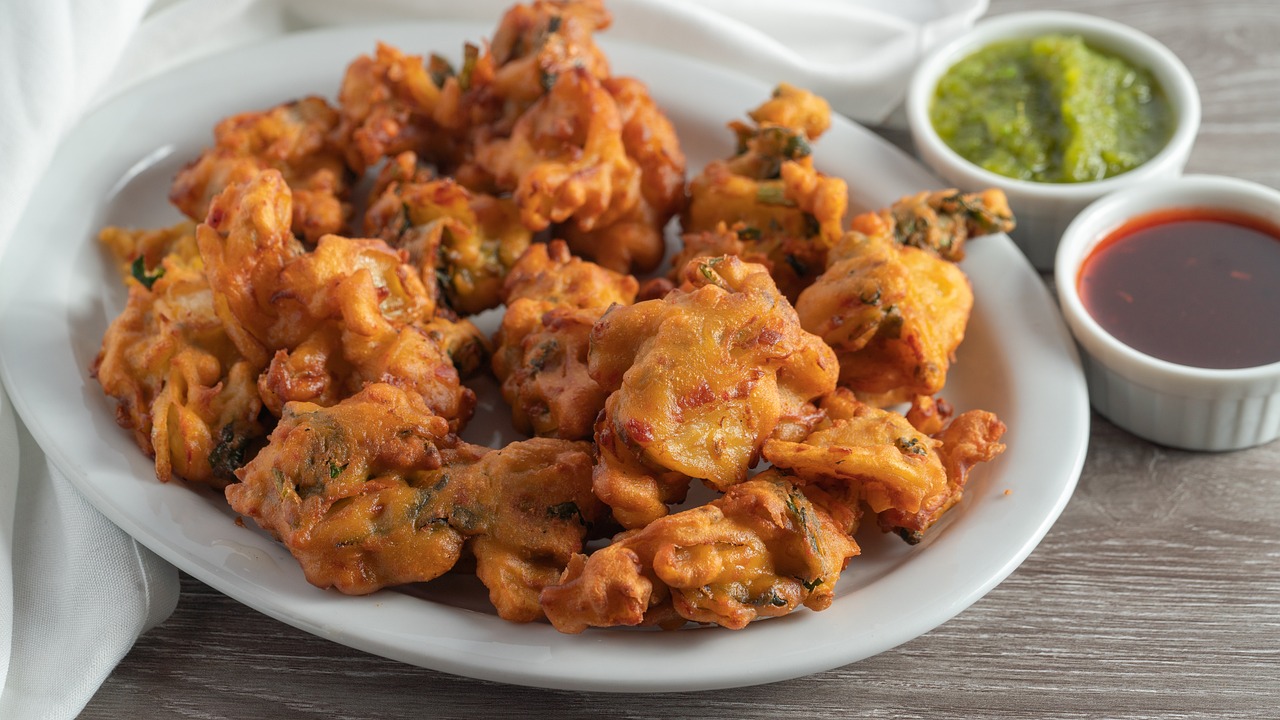
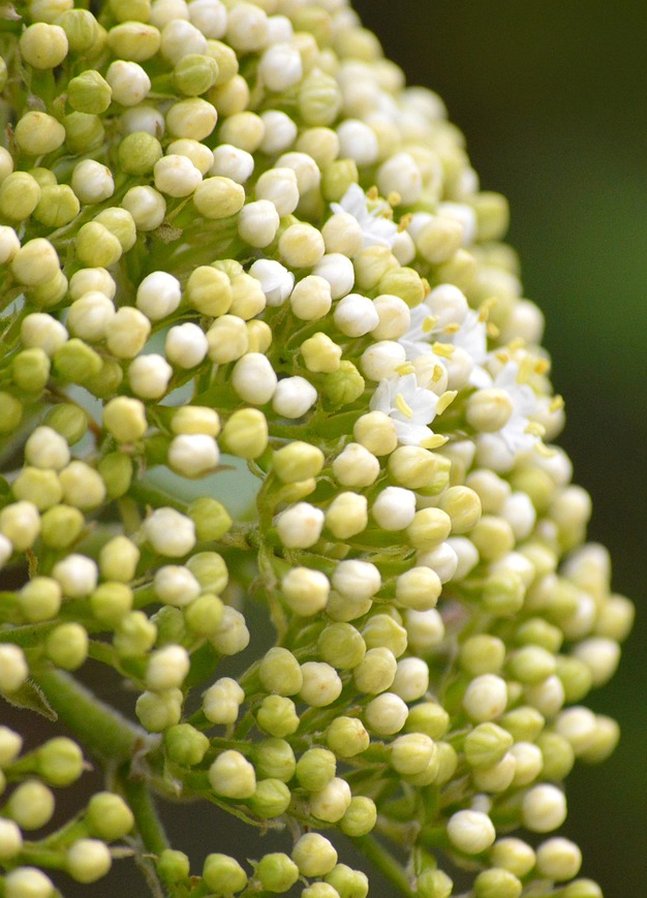
The elder tree has always been a kitchen tree as much as a medicine tree. In late spring, the flowers were dipped in batter and fried into delicate fritters — a treat so simple and so delicious that it survives in rural communities across Europe. In autumn, the berries became ketchup, chutney, wine, and vinegar. Nothing was wasted, and everything had a purpose.
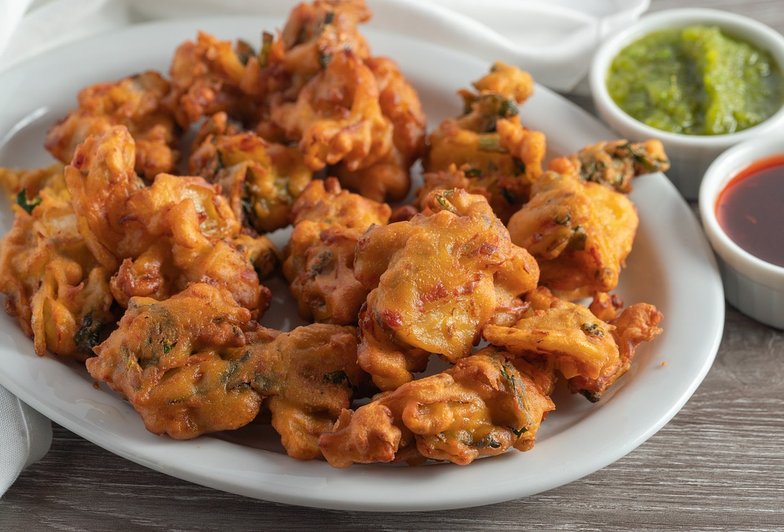
Elderflower fritters are the easiest introduction. You make a light batter — flour, a little sugar, an egg, milk or beer — and dip whole flower heads into it, then fry them in hot oil until golden. The stems act as handles. You eat them hot, dusted with sugar, and the flavour is somewhere between a doughnut and a flower. In Italy, they are called fiori di sambuco fritti. In England, they were once a cottage treat. In Denmark, they appear at midsummer gatherings. The recipe travels, but the pleasure does not change.
Elderberry Ketchup and Chutney
Elderberry ketchup is a darker, richer cousin of tomato ketchup. The berries are simmered with vinegar, sugar, onions, and spices — ginger, cloves, cinnamon, sometimes a little chilli — then strained and bottled. The result is deep purple, tangy, and excellent with cheese, game, or cold meats. Traditional recipes often included a splash of port or red wine, and some families kept a bottle for Christmas.
Elderberry chutney follows the same logic but keeps the fruit whole. Simmered with apples, onions, raisins, and vinegar, it becomes a dark, sticky preserve that improves with age. It was a way of stretching the autumn harvest into the lean months, and it pairs beautifully with strong cheese and bread.
Elder Vinegar and Other Small Wonders
Elderflower vinegar is one of the quietest traditions. You pack fresh flower heads into a jar, cover them with white wine vinegar, and leave them in a cool dark place for two to three weeks. Strain, bottle, and use it in salad dressings, marinades, or anywhere you want a soft floral note. It is not a dramatic flavour, but it is a distinctive one — the taste of early summer preserved in a bottle.
Elderberry vinegar follows the same method with the berries, and was traditionally used both in cooking and as a gargle for sore throats. Some households made elder wine, a country wine that was once common at harvest tables. Others made elder rob — a thick, reduced syrup of berries and sugar — which kept for months and was spooned over porridge or into hot water.
What all these traditions share is thrift and attentiveness. The elder was never a glamorous plant. It grew in hedges and waste ground, and it asked for nothing. But it gave flowers, berries, medicine, and food to anyone who knew how to look. That is a kind of generosity worth remembering — and worth cooking with.

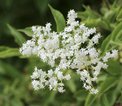
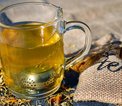
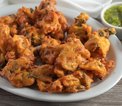
Elderflower fritters, elderberry ketchup, and elder vinegar — the old kitchen traditions that turned a hedgerow tree into a pantry.
Long before pharmacies, rural households relied on the elder tree for everything from cough syrups to salves, earning it a reputation as the village medicine chest.
A lightly fermented elderflower drink once bubbled in cottages across Europe, but its cheerful fizz sometimes drew the attention of authorities and moralists alike.
Beyond its flowers and berries, elder wood was prized by craftspeople and cunning folk for making musical instruments, protective charms, and small everyday tools.
Across Europe, elder trees were believed to be watched over by a guardian spirit, and harvesters followed careful customs to avoid offending her.