


Elderflower Champagne: The Folk Ferment That Sparked Village Scandal

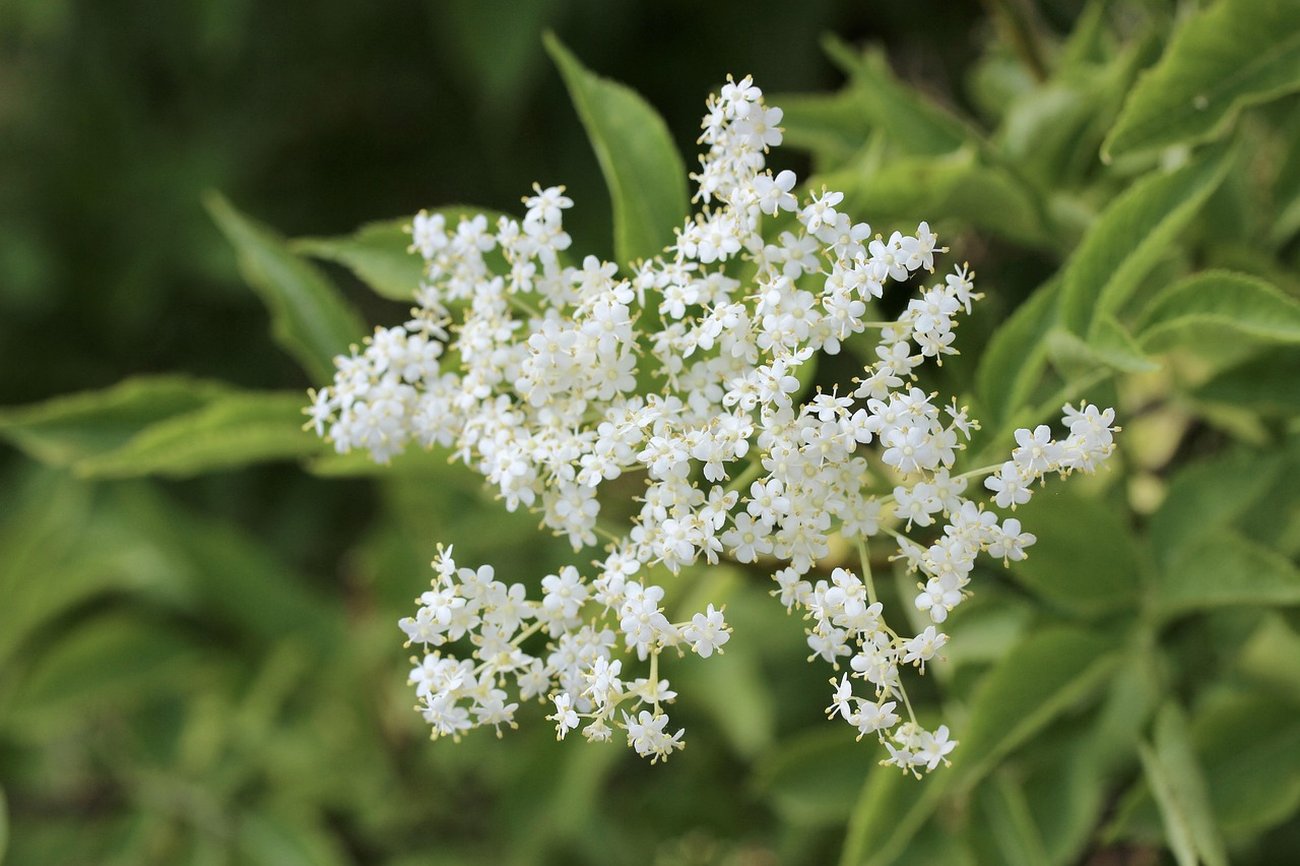
Elderflower champagne is one of the most beloved traditional uses of the elder tree, but its history is more colorful than most people realize. Long before it became a fashionable summer drink, it was a cottage ferment—a simple way to capture the fleeting scent of elderflowers in a lightly sparkling liquid. The recipe varied from village to village, but the basic idea was consistent: elderflower heads, sugar, water, lemon, and time. The natural yeasts on the flowers and in the air did the rest.
What made this drink remarkable was not just its taste but its timing. Elderflowers appear for only a few weeks in late spring, so the making of elderflower champagne was a seasonal ritual. Families would gather the blossoms on a dry morning, shake them free of insects, and set the brew going in a clean bucket or crock. Within days it would begin to fizz, and within a week or two it was ready to drink—light, floral, and only mildly alcoholic, though stronger batches were not unknown.
A Drink That Drew Suspicion
Because it was fermented at home and often shared freely, elderflower champagne sometimes attracted unwanted attention. In some regions, authorities viewed home brewing with suspicion, partly for tax reasons and partly because gatherings around a bubbling barrel could get lively. There are folk accounts of village elders being warned about "elderflower mischief," and of neighbors peering over hedges to see who was making the stuff and how much. The drink was rarely dangerous, but it was sociable, and sociability among the poor was sometimes treated as a problem.
Moralists of the day occasionally lumped elderflower champagne in with stronger spirits, even though it was closer to a soft drink than a wine. The confusion says more about attitudes toward rural leisure than about the drink itself. For many families, it was simply a pleasant way to mark the turning of the season—a taste of spring before the heavier work of summer began.
The Modern Revival and Its Roots
Today, elderflower champagne has been rediscovered by home brewers and foragers, often with a wink at its slightly scandalous past. Modern recipes are careful to note that the drink can explode if bottled too early, and that a little patience produces a safer, more reliable fizz. But the spirit of the old cottage ferment remains: gather the flowers, trust the natural yeast, and share the result with friends.
What makes elderflower champagne worth preserving is not just its flavor but its place in the folk calendar. It is a reminder that fermentation was once a household skill, not a specialist hobby, and that the elder tree stood at the center of that skill. Every bottle opened in June carries a little of that history—the hedgerow, the crock, the neighbors' curiosity, and the simple joy of a drink that made itself.
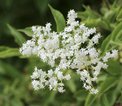
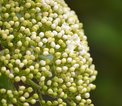
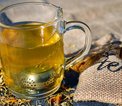



A lightly fermented elderflower drink once bubbled in cottages across Europe, but its cheerful fizz sometimes drew the attention of authorities and moralists alike.
Beyond its flowers and berries, elder wood was prized by craftspeople and cunning folk for making musical instruments, protective charms, and small everyday tools.
Across Europe, elder trees were believed to be watched over by a guardian spirit, and harvesters followed careful customs to avoid offending her.
Before refrigeration, elderflower vinegar was a clever way to capture the scent of spring and use it in cooking, medicine, and household cleaning.
Across Europe, the elder was never just a tree — it was a guardian spirit, a healer, and a warning, all wrapped in one gnarled bark.