

The Elder Mother: Guardian Spirits and the Etiquette of Harvesting
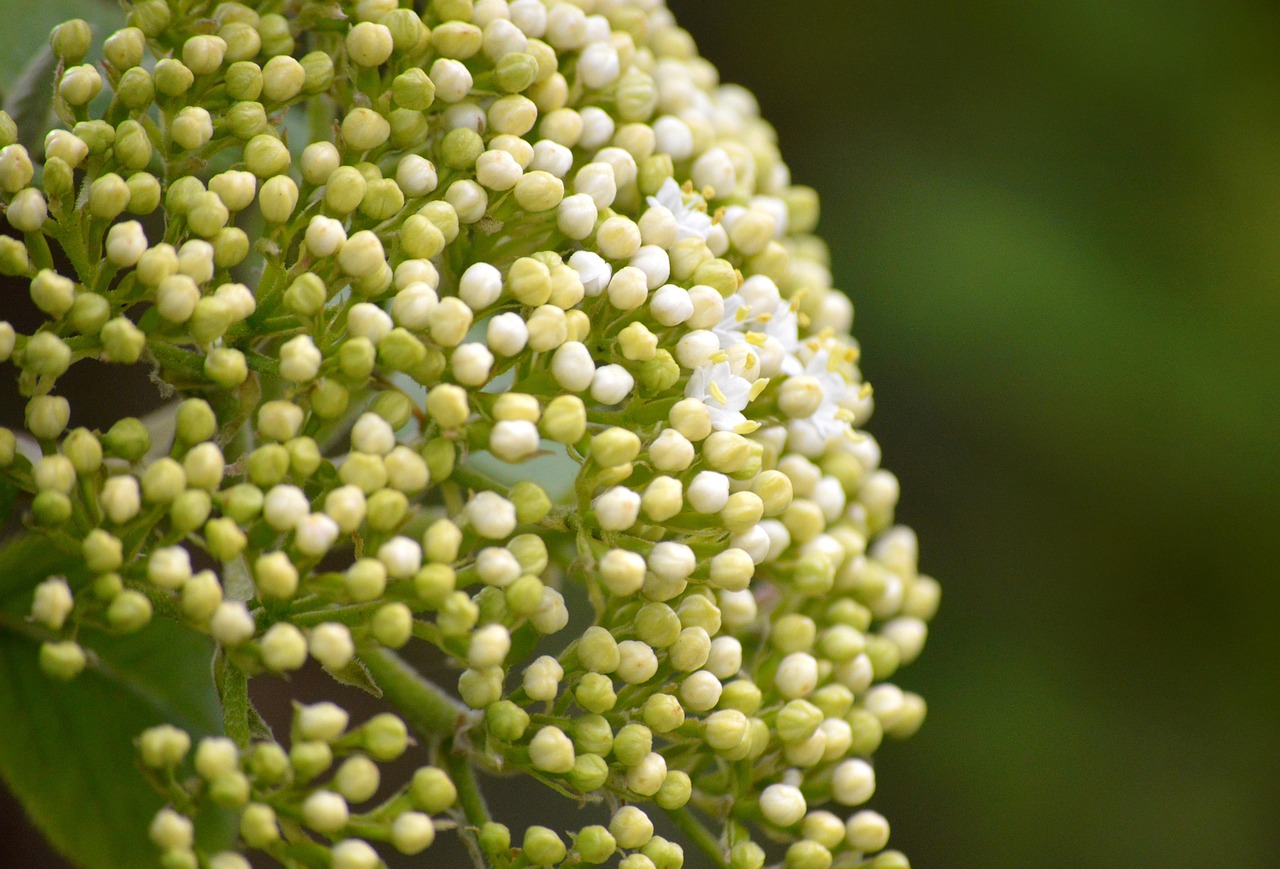
If you ask an old forager about elder, you may hear a word of caution before you hear a recipe. In many parts of Europe, the elder tree was said to be inhabited by a guardian spirit—often called the Elder Mother, Hyldemoer, or a similar name. She was not a distant deity but a presence tied to the tree itself, and she was believed to watch over it and its gifts. To harvest from an elder without respect was to risk her displeasure.
The Elder Mother appears in folklore from Britain to Scandinavia, and her character varies. Sometimes she is a protective figure, a kind of grandmother spirit who blesses those who treat the tree well. In other tellings, she is more ambiguous—capable of granting good fortune or causing misfortune, depending on how she is approached. What remains consistent is the idea that the elder is not just a plant but a being with its own dignity.
Customs of Respect and Permission
Because of this belief, traditional harvesters followed certain customs. Some would ask the tree's permission before cutting, speaking aloud or simply pausing to acknowledge it. Others would leave a small offering—a coin, a pinch of salt, or a few grains—as a gesture of thanks. In some regions, people would avoid cutting elder on certain days, or would never take the whole of a branch, leaving something behind for the spirit.
There were also practical rules that may have grown from these beliefs. Harvesting elder at the wrong time of year, or taking too much from a single tree, could harm the plant and reduce future yields. The folklore around the Elder Mother may have helped enforce sustainable practices long before anyone used that term. Respect for the spirit and respect for the tree were intertwined.
What the Elder Mother Teaches Us Today
Modern foragers do not need to believe in guardian spirits to appreciate the wisdom behind these customs. Asking permission, taking only what you need, and leaving the tree healthy for next season are principles that make sense on their own. The Elder Mother stories add another layer: they remind us that harvesting is a relationship, not just a transaction.
There is also something valuable in the humility these traditions encourage. The elder tree has been giving its flowers and berries to humans for thousands of years, and it will continue to do so if we treat it well. Whether or not you say a word of thanks before you pick, the old customs offer a model of attention and care. The Elder Mother is not a superstition to be dismissed; she is a symbol of the respect that traditional cultures held for the plants they depended on.



Across Europe, elder trees were believed to be watched over by a guardian spirit, and harvesters followed careful customs to avoid offending her.
Before refrigeration, elderflower vinegar was a clever way to capture the scent of spring and use it in cooking, medicine, and household cleaning.
Across Europe, the elder was never just a tree — it was a guardian spirit, a healer, and a warning, all wrapped in one gnarled bark.
Long before it was a summer drink, elderflower cordial was a household medicine — and the recipe has barely changed in centuries.
Elderberry syrup has been a cold-and-flu staple for centuries, and its folklore is as rich as its deep purple colour.