



Elderberry Syrup: The Winter Remedy That Refused to Die
By late August, the elderflowers have long gone and the bushes are heavy with clusters of small, dark purple berries. They are not good to eat raw — they need cooking, and anyone who has tried them straight from the branch knows why. But simmered with ginger, cloves, and honey, they become one of the most enduring winter remedies in European folk medicine: elderberry syrup.
The syrup was never a cure-all in the old texts, and it is not one now. What it was, and still is, is a reliable comfort during the long months of coughs and colds. Traditional herbalists used it for coughs, sore throats, and the general sluggishness that comes with winter. It was given by the spoonful, sometimes in warm water, sometimes in tea, sometimes neat. The deep colour alone seemed to promise something.
Making It the Old Way
The traditional method is forgiving. You strip the berries from the stems — this matters, because the stems and leaves contain compounds that are not good to consume — and simmer them in water with a few slices of fresh ginger and a couple of cloves. After twenty to thirty minutes, the liquid is dark and smells faintly of wine. Mash the berries, strain everything through a fine cloth, and return the liquid to the pan. Add honey to taste, usually about half the volume of the liquid, and warm gently until it combines. Do not boil it hard once the honey is in, or you lose some of its character.
Bottle it in sterilised jars and keep it in the fridge. A spoonful as needed, or stirred into hot water with lemon, is the traditional dose. Some families add a splash of brandy as a preservative and a nod to older recipes, which often included alcohol as a carrying agent.
Folklore and Caution
Elderberry has a strange reputation in folklore. The same tree that gave medicine was also said to be unlucky if mistreated. In some regions, the berries were left for the birds until the first frost, and only then gathered — partly because frost was thought to sweeten them, partly because it was a way of sharing the harvest. The Elder Mother, it seems, expected generosity.
There is also a caution worth repeating. Raw elderberries, and the stems and leaves of the plant, should not be eaten. They contain compounds that can cause nausea. Cooking removes the problem, which is why every traditional recipe involves heat. This is not a modern warning — old herbals were clear that the berries must be prepared, not eaten off the bush.
Used sensibly, elderberry syrup remains what it has always been: a seasonal ritual, a kitchen medicine, and a small act of defiance against the grey months. It will not replace a doctor, and no honest herbalist would claim it should. But it will warm you, and it carries the memory of every winter it has seen before.
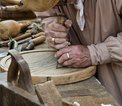
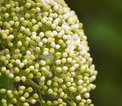

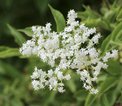
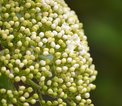

Elderberry syrup has been a cold-and-flu staple for centuries, and its folklore is as rich as its deep purple colour.
A cup of elderflower tea is more than a drink — in folk tradition, it was a way of clearing the body after winter.
Elderflower fritters, elderberry ketchup, and elder vinegar — the old kitchen traditions that turned a hedgerow tree into a pantry.
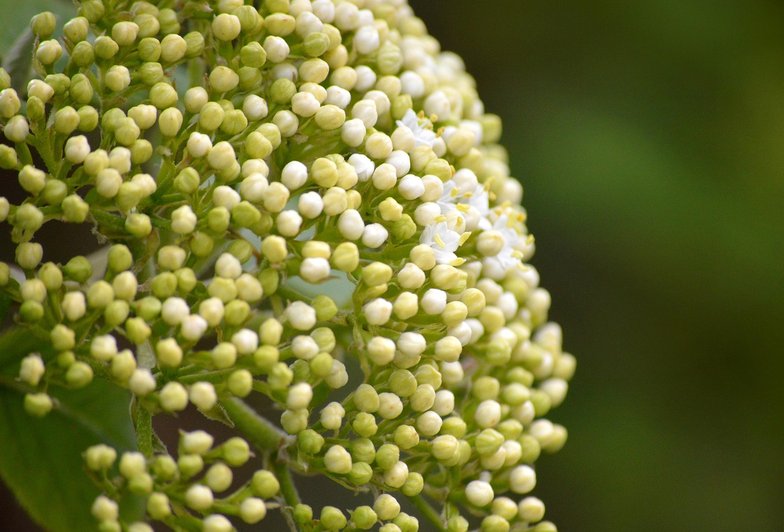
Long before pharmacies, rural households relied on the elder tree for everything from cough syrups to salves, earning it a reputation as the village medicine chest.
A lightly fermented elderflower drink once bubbled in cottages across Europe, but its cheerful fizz sometimes drew the attention of authorities and moralists alike.