

Elderflower Vinegar and the Folk Art of Seasonal Preserving
Elderflower vinegar is one of those traditional preparations that has largely fallen out of fashion, yet it deserves a place in any modern kitchen or herbal cupboard. It is simple to make—just elderflowers, vinegar, and time—and it captures the floral, almost musky scent of elder in a way that few other preserves can. In the days before refrigeration, vinegar was a key preserving agent, and elderflower vinegar was a way to stretch the brief elderflower season across the year.
The basic method is straightforward. Gather fresh elderflower heads on a dry day, shake them free of insects, and place them in a clean jar. Cover with good-quality vinegar—cider vinegar and white wine vinegar both work well—and seal the jar. After a few weeks in a cool, dark place, strain out the flowers and bottle the vinegar. The result is a pale, fragrant liquid that tastes of early summer.
Uses in the Traditional Kitchen
In folk cooking, elderflower vinegar was used in salad dressings, marinades, and pickles. It added a delicate floral note to cold dishes and was sometimes used to brighten heavy winter meals. Some households made a simple shrub—a sweetened vinegar drink—by mixing elderflower vinegar with sugar and water, which was served as a refreshing tonic in warm weather. The vinegar could also be used to pickle small vegetables or to preserve herbs, giving them an unexpected elderflower perfume.
Beyond the kitchen, elderflower vinegar had household uses. It was sometimes used as a gentle cleanser for surfaces, and as a rinse for hair, where it was believed to add shine and soothe the scalp. In herbal practice, a small amount of elderflower vinegar might be taken in water as a digestive aid, though it was rarely the main remedy. Its role was more supportive—a pleasant way to incorporate elderflower's qualities into daily life.
A Seasonal Ritual Worth Reviving
Making elderflower vinegar is a seasonal ritual that connects you to the old ways of preserving. It requires no special equipment and no great skill, just attention to the weather and a little patience. The reward is a pantry item that carries the memory of a particular June afternoon—the hedgerow, the bees, the scent of elder in the air.
In a time when we can buy almost anything year-round, there is something grounding about preserving a fleeting season in a bottle. Elderflower vinegar is not just a condiment; it is a small act of defiance against the uniformity of modern food. It says that some things are worth waiting for, and that the elder tree's gifts are best enjoyed when they are fresh, then remembered when they are gone.


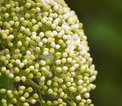
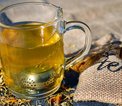
Before refrigeration, elderflower vinegar was a clever way to capture the scent of spring and use it in cooking, medicine, and household cleaning.
Across Europe, the elder was never just a tree — it was a guardian spirit, a healer, and a warning, all wrapped in one gnarled bark.
Long before it was a summer drink, elderflower cordial was a household medicine — and the recipe has barely changed in centuries.
Elderberry syrup has been a cold-and-flu staple for centuries, and its folklore is as rich as its deep purple colour.
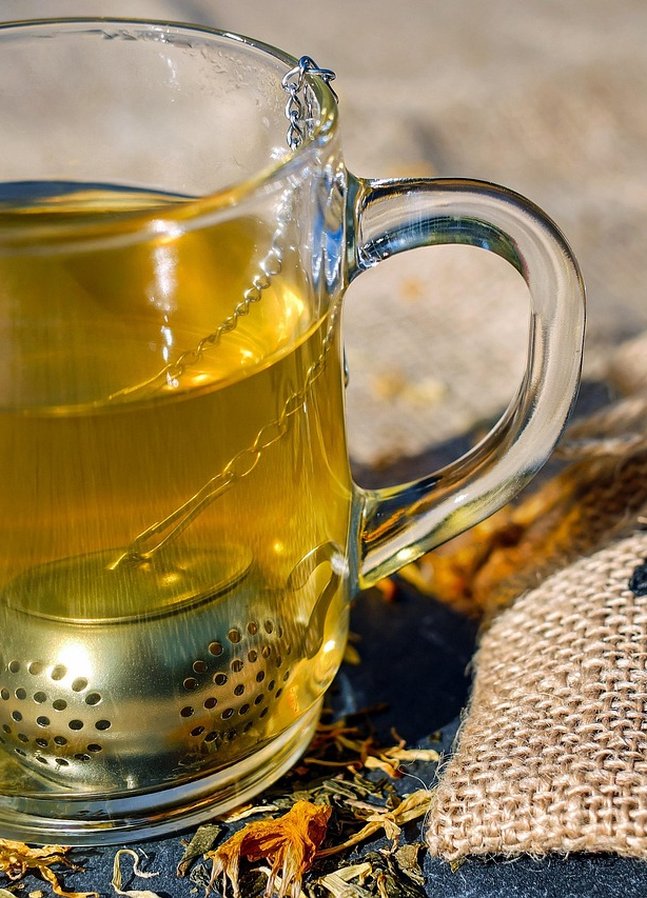
A cup of elderflower tea is more than a drink — in folk tradition, it was a way of clearing the body after winter.