



Why Elder Was Called the Medicine Chest of the Poor

In old rural Europe, few trees were as thoroughly used as the elder. Every part of it—flowers, berries, bark, leaves, and even the pith—found some purpose in the home. This versatility is why herbalists and country people alike nicknamed it "the medicine chest of the poor," a phrase that appears in folk sayings across Britain, Scandinavia, and parts of Central Europe. For families who could not afford a physician, the elder tree growing at the edge of the garden was often the first and sometimes the only remedy they had.
The name itself hints at this usefulness. In many languages the elder carries associations with healing and protection, and in older herbals it is listed among the trees that every household should keep near. It was not simply a plant you harvested from the wild; it was a plant you planted deliberately, watched over, and passed down with the property. Some families kept a particular elder for generations, harvesting from the same branches their grandparents had used.
The Parts and Their Purposes
Elderflower was gathered in late spring, when the creamy umbels hung heavy and fragrant. Dried and stored, the flowers became a base for teas and infusions believed to help with fevers and colds. Elderberries were picked in early autumn, cooked into syrups and preserves that carried families through the winter. The bark was taken in small quantities in spring and used in decoctions, while the leaves were sometimes applied externally or steeped for washes. The green shoots and the pith of older branches had their own uses, from makeshift whistles to salves.
What made elder so valued was not any single dramatic cure but its steady reliability. It was the everyday ally: the tea you drank when you felt a chill coming on, the syrup you spooned out when a cough settled in, the wash you applied to a scraped knee. Folk medicine was rarely about miracle cures; it was about having something on hand, something familiar, something that had worked for your mother and her mother before her.
A Tree That Asked for Respect
Yet the elder was never treated as an ordinary resource. Folklore surrounded it with caution and even reverence. In many traditions, cutting an elder without reason was considered unlucky, and some people would apologize to the tree before taking from it. The same tree that gave medicine was also said to hold older, stranger powers—associated with protection, with thresholds, and with the unseen world. That duality is part of what makes elder so fascinating: it was both practical and numinous, a household remedy and a figure of legend.
Today, elderflower cordials and elderberry syrups are sold in shops and praised by modern herbalists, but their roots lie in this older economy of the poor. The medicine chest of the poor was not a cabinet of bottles; it was a tree, standing in the yard, waiting to be asked. Understanding that history gives a deeper appreciation for the simple remedies we still make today.

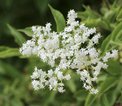
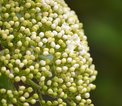
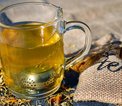


Long before pharmacies, rural households relied on the elder tree for everything from cough syrups to salves, earning it a reputation as the village medicine chest.
A lightly fermented elderflower drink once bubbled in cottages across Europe, but its cheerful fizz sometimes drew the attention of authorities and moralists alike.
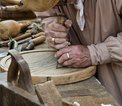
Beyond its flowers and berries, elder wood was prized by craftspeople and cunning folk for making musical instruments, protective charms, and small everyday tools.
Across Europe, elder trees were believed to be watched over by a guardian spirit, and harvesters followed careful customs to avoid offending her.
Before refrigeration, elderflower vinegar was a clever way to capture the scent of spring and use it in cooking, medicine, and household cleaning.