

Elder Wood and the Craft of Whistles, Pipes, and Charms
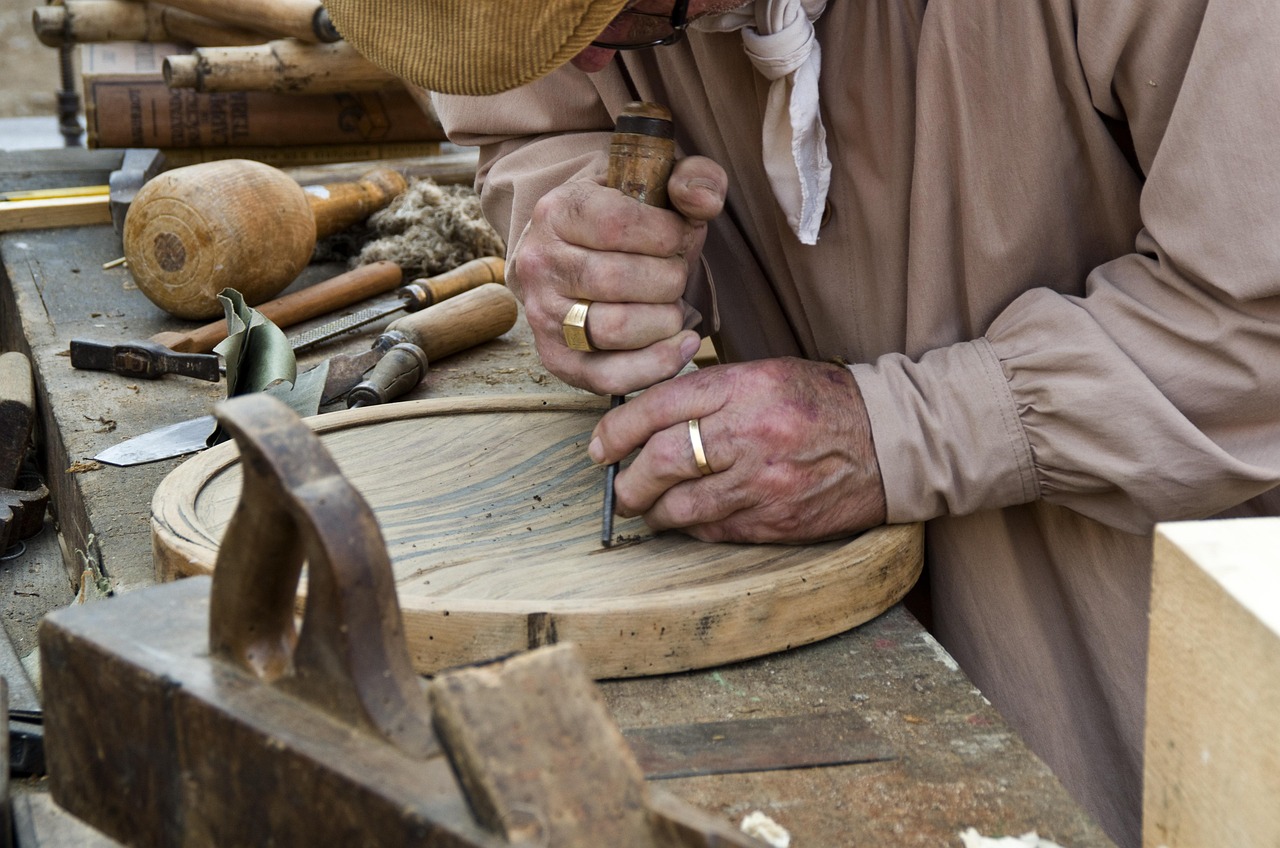
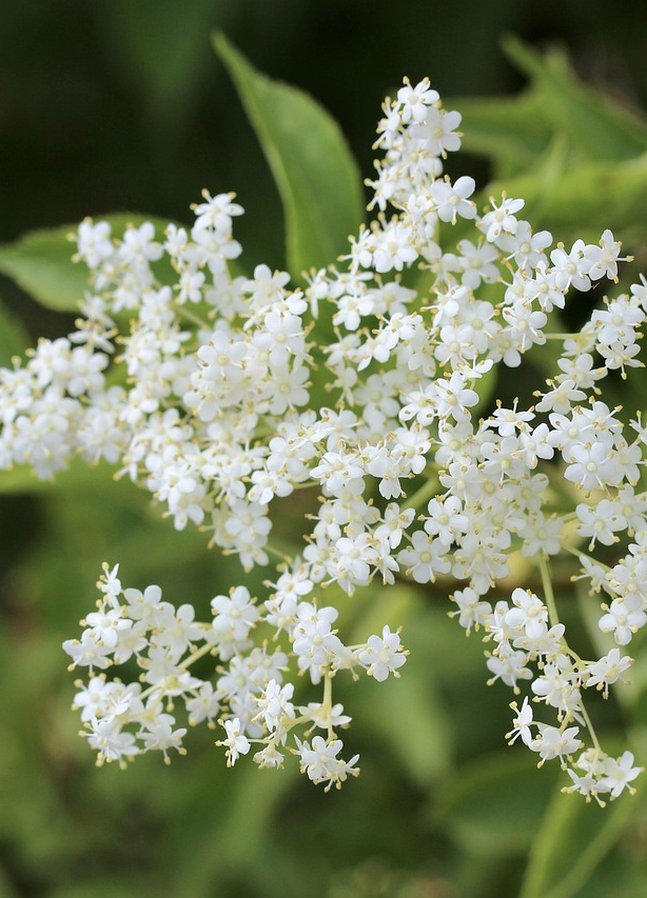
When people talk about elder, they usually mean the flowers or the berries. But the wood of the elder tree has its own rich history, one that stretches from childhood toys to protective charms. Elder wood is soft, light, and easy to hollow, which made it ideal for a range of small crafts. If you have ever seen a handmade whistle or a simple pipe carved from a hedgerow branch, there is a good chance the wood came from an elder.
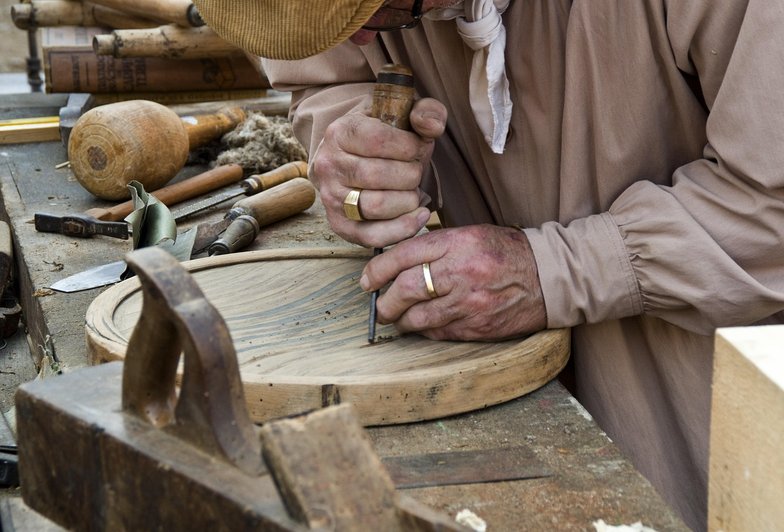
The pith inside elder branches is particularly useful. It can be pushed out with a wire or a stiff twig, leaving a hollow tube that is perfect for making flutes, whistles, and even simple bellows for small fires. Children in rural areas once learned to make elder whistles as a matter of course, and the sound of those whistles was part of the texture of village life. The wood itself, once dried, could be carved into spoons, pegs, and small handles, though it was not durable enough for large furniture or load-bearing work.
Music, Magic, and the Elder Pipe
In folklore, elder wood was often associated with music and with the voice. Some traditions held that elder pipes could be used to communicate with spirits or to call back wandering animals. In others, the wood was considered unlucky for certain uses—especially for cradles, which were sometimes avoided because of the tree's association with the otherworld. This ambivalence runs through much of elder lore: the same wood that made a cheerful whistle could also be seen as a link to something less comfortable.
Cunning folk and healers sometimes used elder wood in charms. A small piece of elder might be sewn into a pouch and worn for protection, or placed above a doorway to keep harm away. These practices varied widely from region to region, and many were never written down. What survives is a sense that elder wood was not neutral material; it carried meaning, and working with it required a certain care.
Everyday Tools and Seasonal Crafts
On a more practical level, elder wood was used for everyday items that needed to be light and easily shaped. Elder pegs were used in thatching and in simple joinery. Elder skewers were used for cooking small pieces of meat or for testing the doneness of vegetables. The hollow branches could be used as blowpipes for starting fires or as simple siphons. None of these uses were glamorous, but they were part of the ordinary economy of the countryside.
Today, elder wood crafts are mostly a niche interest, kept alive by foragers, bushcrafters, and folk artists. Making an elder whistle is still a pleasant way to spend an afternoon, and the process connects you directly to a tradition that is centuries old. The tree that gave medicine and drink also gave music and small tools—a reminder that in traditional culture, a single plant could serve many purposes, and that usefulness and meaning were often woven together.



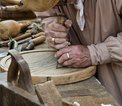
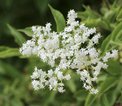
Beyond its flowers and berries, elder wood was prized by craftspeople and cunning folk for making musical instruments, protective charms, and small everyday tools.
Across Europe, elder trees were believed to be watched over by a guardian spirit, and harvesters followed careful customs to avoid offending her.
Before refrigeration, elderflower vinegar was a clever way to capture the scent of spring and use it in cooking, medicine, and household cleaning.
Across Europe, the elder was never just a tree — it was a guardian spirit, a healer, and a warning, all wrapped in one gnarled bark.
Long before it was a summer drink, elderflower cordial was a household medicine — and the recipe has barely changed in centuries.