


Elderflower Tea and the Art of the Spring Tonic
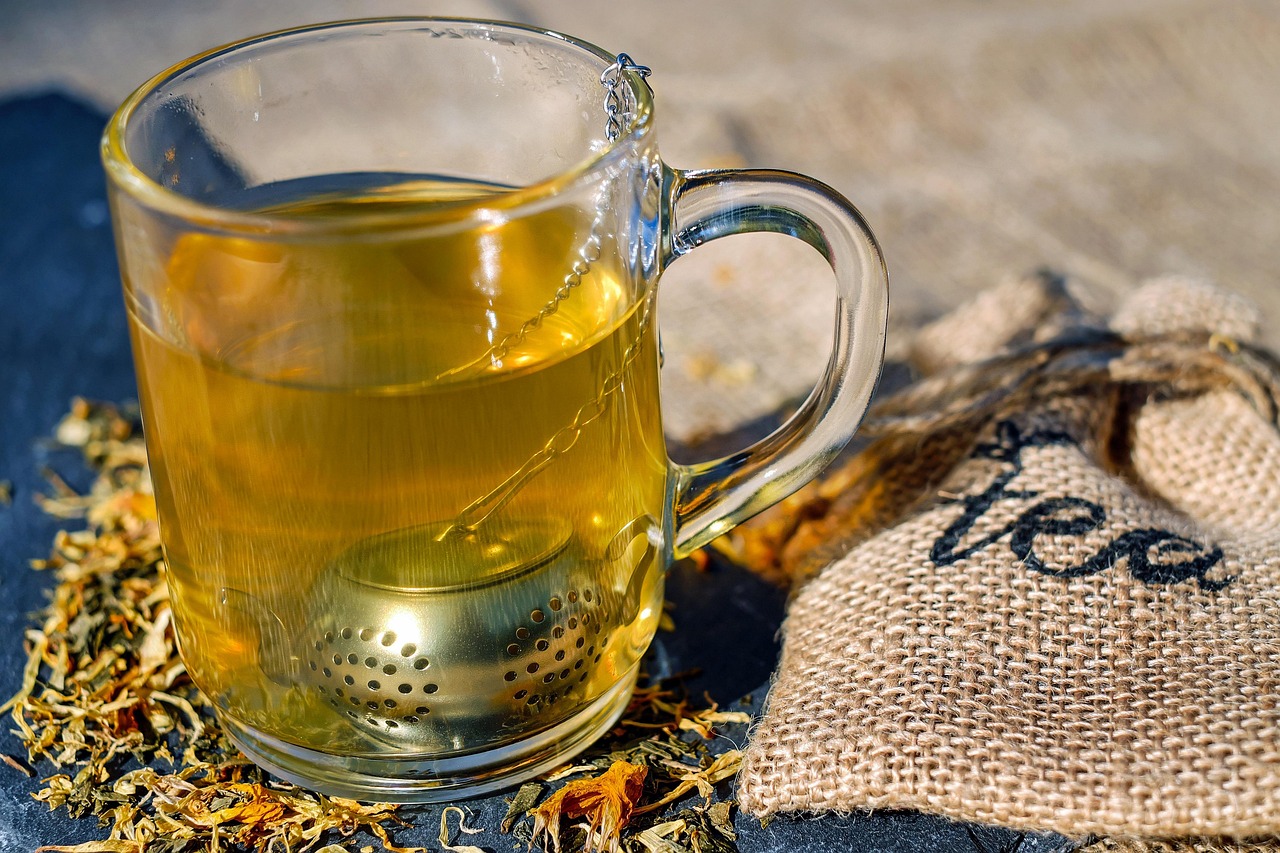
Spring tonics were once a serious business in rural Europe. After months of salted meat, stored roots, and little fresh greenery, the body was thought to need clearing. Herbalists reached for nettles, dandelion, and — perhaps most gently — elderflower. A tea made from the fresh flowers was considered cooling, light, and mildly cleansing. It was not a purge or a dramatic cure. It was a quiet nudge, a way of welcoming the season.
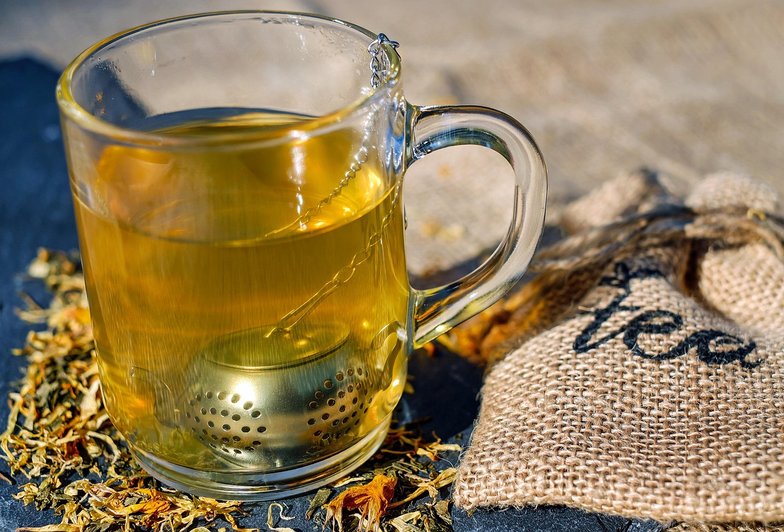
Elderflower tea is still made the same way today. A few fresh flower heads, or a spoonful of dried ones, steeped in just-boiled water for five to ten minutes. The result is pale gold, softly floral, and faintly sweet. Honey is optional; lemon is common. Some traditional recipes add a slice of ginger or a sprig of mint, but purists argue that the elderflower should be allowed to speak for itself.
What the Old Herbalists Believed
In traditional European herbalism, elderflower was considered a diaphoretic — a substance that encourages sweating. This made it useful in the early stages of a cold, especially when combined with yarrow and peppermint in the classic trio known in some traditions as a 'cold tea'. The idea was to open the pores, let the fever do its work, and speed recovery. Whether or not the mechanism is exactly as described, the ritual of a hot cup of elderflower tea at the first sign of a sniffle is one that many families still swear by.
Elderflower was also used for hay fever and sinus congestion in folk practice, though the evidence is mostly traditional rather than clinical. It was thought to dry up excess moisture and calm irritation. Again, the tea was gentle — this was not a dramatic intervention but a supportive one, taken several times a day during the pollen season.
Gathering and Drying for Winter
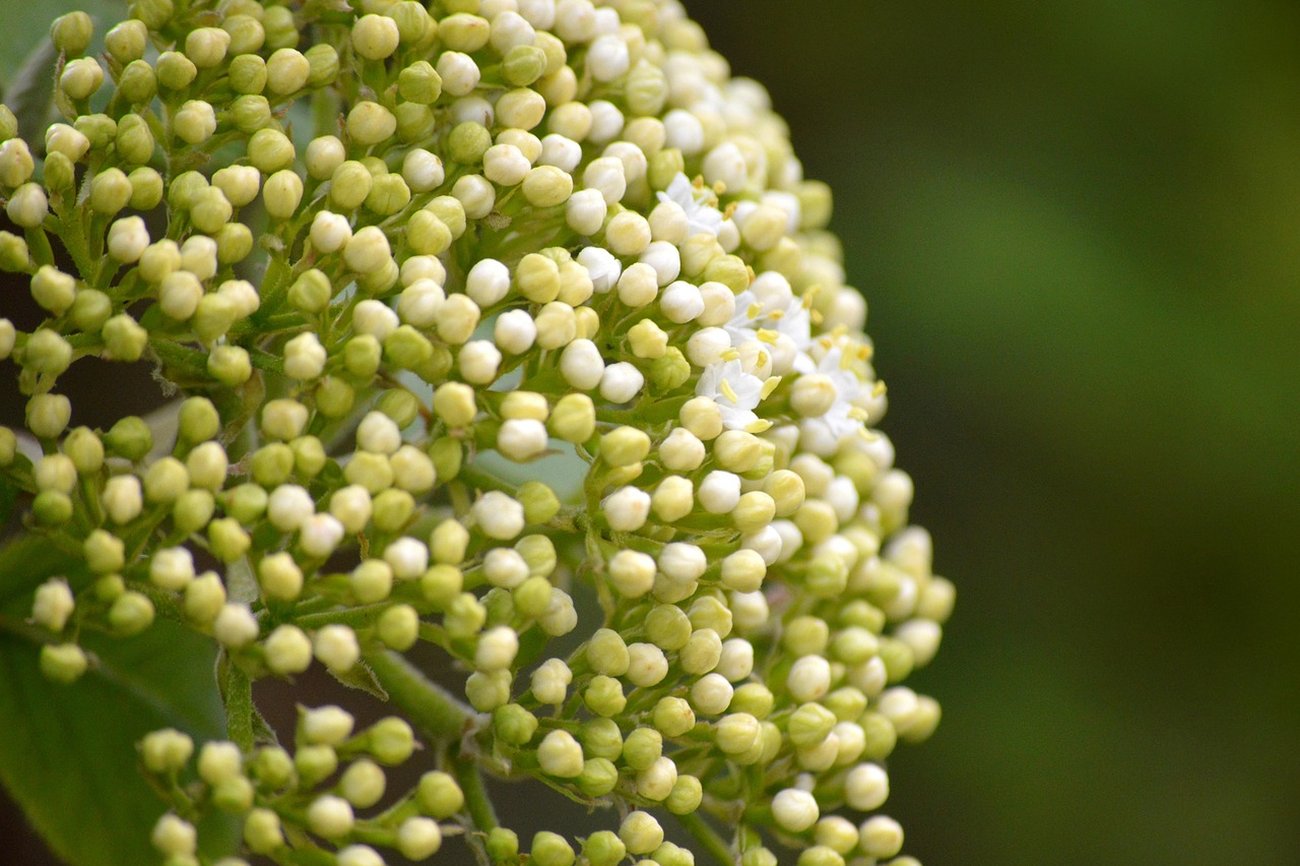
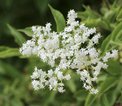
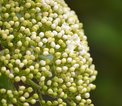
The best elderflowers are picked on a dry, sunny morning, just as the heads open fully. Avoid flowers that have been rained on, and avoid anything growing near busy roads. Spread the heads on a cloth or screen in a warm, airy room away from direct sunlight. They dry in a few days, at which point the tiny flowers can be rubbed off the stems and stored in an airtight jar.
Dried elderflower keeps its aroma for about a year. After that, it fades — still drinkable, but a shadow of itself. This is one reason the spring tonic is also a lesson in seasonality. You cannot rush elderflower, and you cannot store it forever. You meet it when it appears, you use what you need, and you wait for next year.
There is something deeply sane about that. In a world of year-round availability, elderflower tea insists on its own timetable. It arrives in late spring, stays for a few weeks, and then is gone. The cup you make in June tastes like the season itself — brief, bright, and worth paying attention to.

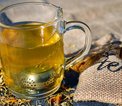
A cup of elderflower tea is more than a drink — in folk tradition, it was a way of clearing the body after winter.
Elderflower fritters, elderberry ketchup, and elder vinegar — the old kitchen traditions that turned a hedgerow tree into a pantry.
Long before pharmacies, rural households relied on the elder tree for everything from cough syrups to salves, earning it a reputation as the village medicine chest.
A lightly fermented elderflower drink once bubbled in cottages across Europe, but its cheerful fizz sometimes drew the attention of authorities and moralists alike.
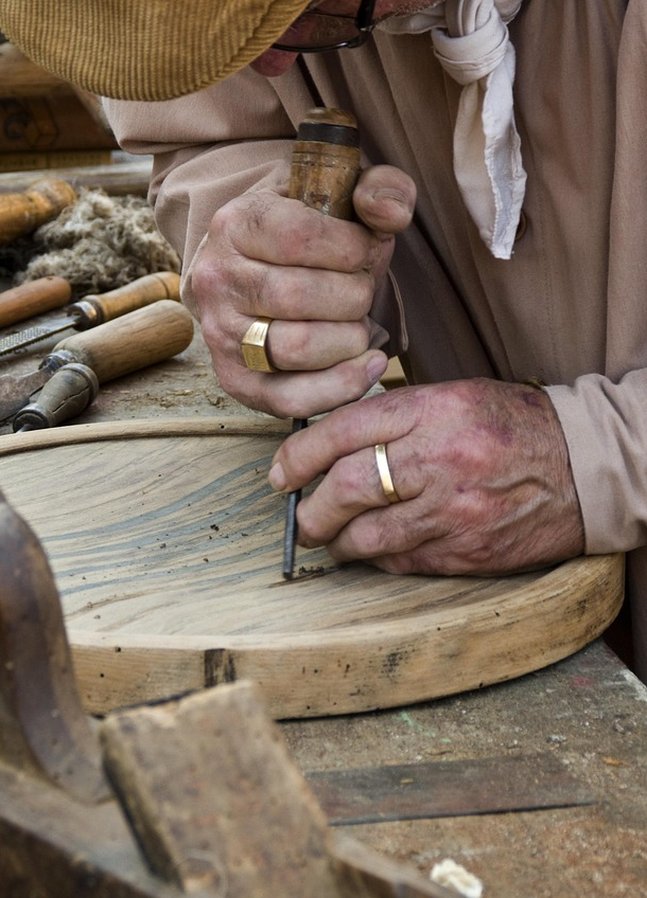
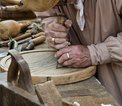
Beyond its flowers and berries, elder wood was prized by craftspeople and cunning folk for making musical instruments, protective charms, and small everyday tools.