

The Elder Tree in European Folklore: Guardian of the Threshold
If you grew up in a rural part of Europe, you probably heard the rules before you ever understood them: never burn elder wood, never fall asleep beneath its branches, always ask the tree's permission before cutting. The elder — Sambucus nigra — was treated less like a shrub and more like a neighbour with a long memory and a short temper. In many villages it grew beside the compost heap or the back door, planted deliberately, because people believed it kept misfortune from crossing the threshold.
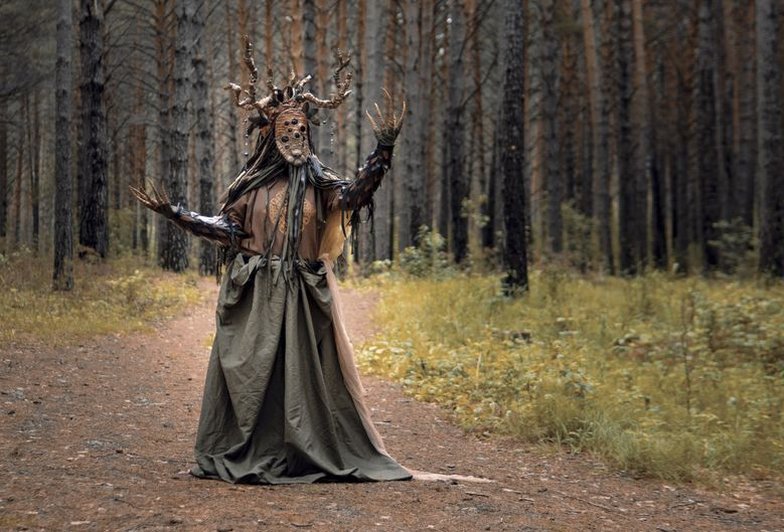
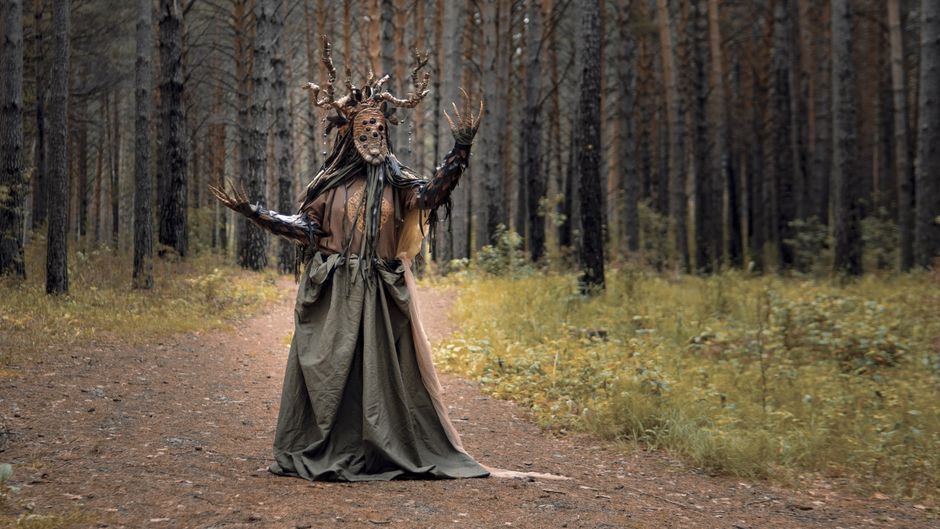
The names alone tell you how seriously it was taken. In Denmark it was Hyldemoer, the Elder Mother. In German-speaking regions she was Frau Holle or Holla, a figure who could bless a household or curse it. Slavic traditions spoke of the elder as home to spirits of the dead, which is one reason cutting it down without cause was considered reckless. The tree was not evil — it was powerful, and power in folklore always demands respect.
Why the Elder Grew by the Door
Elder was often planted near the house for practical reasons wrapped in superstition. Its leaves repel certain insects, its berries and flowers were a household medicine chest, and its fast growth made it a living fence. But the folklore went further. In many traditions, the elder was said to protect against lightning, witchcraft, and illness. A sprig above the door, a branch hung over a cradle, a handful of leaves tucked into a pocket before a journey — these were small acts of insurance.
There was also a darker thread. Because elder was associated with death and the underworld in some regions, it could be dangerous if disrespected. Stories warned of illness or bad luck befalling anyone who cut elder for firewood without first saying a prayer or asking forgiveness. In Britain, some families would tip their hat to the tree. In Denmark, you might hear a quiet rhyme before taking a branch. The tree was owed courtesy, and courtesy cost nothing.
What the Stories Still Teach Us
Modern readers might smile at the idea of asking a shrub for permission, but the folklore carries a practical wisdom that herbalists still echo: know your plant, harvest with restraint, and leave enough for the next season. The Elder Mother was, in her way, an early guardian of sustainability. She punished greed and rewarded care.
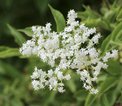
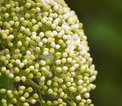
Today, when elderflower cordial appears on supermarket shelves and elderberry syrup is sold as a winter staple, it is worth remembering that this humble tree once stood at the boundary between the human world and something older. The next time you pass an elder in bloom — those flat creamy heads in late spring — you might nod to it. Not because the Elder Mother is watching, but because the gesture keeps a very old conversation alive.



Across Europe, the elder was never just a tree — it was a guardian spirit, a healer, and a warning, all wrapped in one gnarled bark.
Long before it was a summer drink, elderflower cordial was a household medicine — and the recipe has barely changed in centuries.
Elderberry syrup has been a cold-and-flu staple for centuries, and its folklore is as rich as its deep purple colour.
A cup of elderflower tea is more than a drink — in folk tradition, it was a way of clearing the body after winter.
Elderflower fritters, elderberry ketchup, and elder vinegar — the old kitchen traditions that turned a hedgerow tree into a pantry.